Paper List or Shared Phone Note for Errands?
Paper list or shared phone note for errands? Compare visibility, quick updates, and household coordination to choose a list everyone can use.
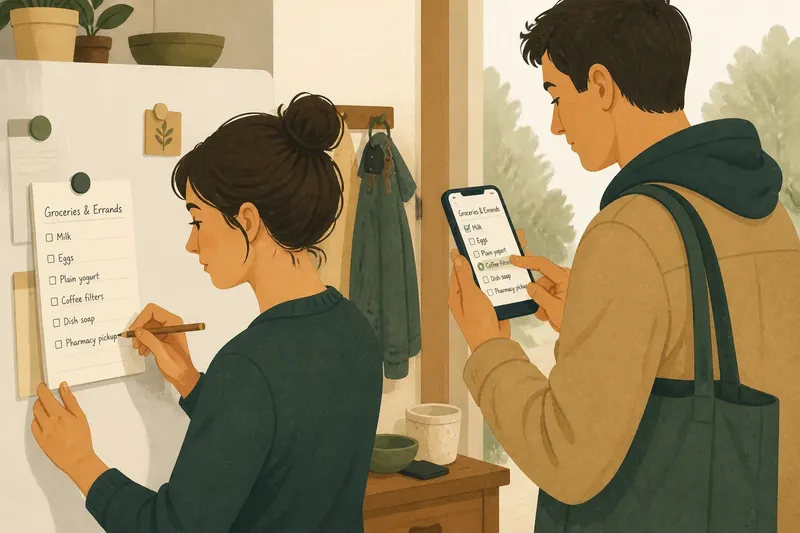
A paper list or shared phone note for errands works best when it matches how your household notices and changes plans. A note on the fridge is hard to miss at home; a shared phone list is easier to update from the grocery aisle. The useful choice is not paper versus technology in the abstract. It is which format keeps the next errand clear to the person who needs to act.
Paper list or shared phone note for errands: which is easier to see?
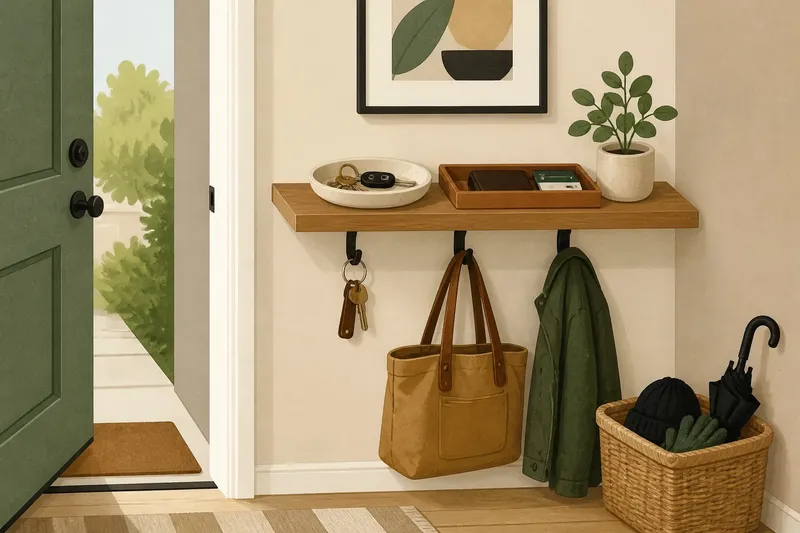
Paper wins when errands are mostly planned at home and the list can live in a visible, dependable spot. Put it where someone naturally pauses before leaving, such as beside the keys or on the refrigerator. A pencil and a plain pad are enough. The list is in view without anyone unlocking a phone or opening an app.
That visibility has a boundary: the paper is visible only to someone who passes it. A family member who comes home late, works in another room, or shops on the way back may never see a new item added after they leave. A note tucked beneath a magnet or buried under mail can also become invisible in practice.
A shared phone note is easier to see away from home, provided the people involved actually check it. It can travel in a pocket, and one person can add an item while another is out. But a phone notification may be missed, silenced, or mistaken for something else. A list is not visible merely because it exists on a screen.
Try matching the list’s location to the moment of use. If the shopper starts from home and sees the kitchen board, paper may be enough. If errands begin at different places, a shared note has a practical advantage. In either case, choose a single obvious home for the list rather than keeping copies in several places.
Which format is quicker to update?
Paper is quickest for a person standing beside it with a pen. Add “dish soap” as soon as the bottle is nearly empty, cross it off when it is bought, and move on. There is no app to open or typing to manage. The tradeoff appears when someone needs to read handwriting, interpret a crossed-out line, or remember whether an item was added before or after the last shopping trip.
A shared phone note is convenient when additions happen throughout the day. Someone can type a brand preference, remove an item that is no longer needed, or add a reminder while away from the kitchen. A basic notes app may be sufficient if everyone can access the same note. A dedicated list app may offer clearer item checkboxes or separate lists, but extra features help only if the household uses them.
Editing also depends on the number of people and devices. A list shared through one person’s account may be awkward for others to access. Before choosing an app, check whether everyone can open and edit the same list on their own phone, and whether the note stays current across devices. If access requires a complicated setup, a visible paper pad may be the easier system.
Say two housemates share grocery errands, and one notices that coffee filters are running low while the other is already near the store. If both can edit one shared note, the first adds the filters and the second sees them before shopping. If either person rarely opens that note, a small pad by the coffee supplies may be more dependable. The useful result is an item that reaches the shopper in time, not a technically elegant list.
Does paper work better for one person?
Often, yes, when one person controls the errands and can keep the list with the place where items are noticed. A sheet on the fridge or a pocket notebook makes it easy to collect groceries, returns, and household supplies in one place. There is no need to coordinate edits with another person, so the advantage of shared digital access matters less.
Paper also makes it easy to arrange items in a useful order. Write produce together, group pharmacy stops, or leave space for a quick note about an exchange. The format is flexible, though it can turn into a jumble if old tasks remain beside new ones. Clearing completed items before the next round keeps the active list readable.
A digital note can suit a solo errand runner who often adds items while away from home, relies on phone reminders, or prefers to search a note rather than scan a page. It may also help keep recurring errands in a separate list from groceries. But there is little benefit in installing a specialized app just to reproduce a short note that already works on paper.
For a solo shopper, pick the format that reduces the distance between noticing and recording. If you see an empty pantry shelf while cooking, a nearby pad is convenient. If you remember a needed item while commuting or moving between appointments, a phone note may be easier to reach. Neither choice fixes a list that is routinely left behind or ignored.
How should several people coordinate one errand list?
A shared phone note is usually better for people who shop at different times or add requests from different places. It can give everyone access to the same current list, reducing the need to send separate messages and reconcile them later. Keep the list’s name obvious, such as “Groceries and errands,” and pin it or save it where household members can find it quickly.
Make the list readable, not merely shared. Use a short item name and add the detail that prevents a wrong guess: “plain yogurt” is clearer than “yogurt” if preferences matter. For a return or pickup, include the destination or the item to bring along. Avoid turning the list into a running conversation; put discussion in a message and leave the list for actions.
Paper can still work for a group if everyone passes the same central spot and one person is responsible for carrying the list. A kitchen pad may suit a household whose members add requests at home and whose shopper checks it before leaving. It is less suited to last-minute changes made after that shopper has gone.
For a mixed household, a hybrid can be sensible only if each medium has a clear job. For instance, paper might collect items at home while one designated person transfers them to a shared phone note before shopping. Without that handoff, two lists can drift apart: someone may add a request to the page while the shopper relies on the phone. If maintaining the bridge feels like another chore, choose one list and make it easy for everyone to use.
What should go on an errand list?
Include enough context for the person doing the errand to act without guessing. An item name is the starting point, not always the whole request. Add a preferred type, location, or reminder only when it changes what the shopper should do.
- Shopping items: Write the product clearly, including a preferred variety when it matters.
- Returns: Name the item and note the store or counter where it needs to go.
- Pickups: Include what is being collected and any detail the runner needs to recognize it.
- Household supplies: Note the room or use if a broad label could be confusing.
- Time-sensitive errands: Mark the relevant day or appointment window rather than relying on memory.
- Bring-along reminders: Add the receipt, reusable bags, or other item needed to complete the task.
Keep details proportional. A long description of a familiar grocery item slows down a routine shop; a vague line about a return can send someone home without the right parcel. The person adding the request should supply the detail that only they know.
How can a list stay usable without constant upkeep?
Give every errand one clear status: still needed, completed, or no longer relevant. On paper, cross items off decisively and replace a crowded page before it becomes hard to scan. In a phone note, check items off or delete them after purchase; if the app keeps completed items visible, clear them when they stop helping.
Separate errands that belong to different trips only when the distinction changes what someone can do. A grocery list and a returns list may be useful apart if they go to different places. A long stack of categories can create more sorting than the household needs. Start with one list and split it only when people repeatedly overlook a type of task.
Agree on a simple handoff if more than one person uses the list. The shopper can mark completed items before leaving the store, or the person who added an item can remove it once the need has passed. The precise routine matters less than making clear who updates the list after plans change.
What is not worth the effort? Color-coding every aisle, building elaborate labels, or copying the same errands into several apps usually adds maintenance without making the next task clearer. A few useful details and one trusted location beat a clever system no one checks.
Which errand list should you choose?
Choose paper if the list is mostly built at home, one person manages the errands, or a visible pad is more likely to be noticed than a phone reminder. Choose a shared phone note if several people need to add and check items from different places, and everyone can access it easily. A hybrid is appropriate when someone can reliably transfer requests, not when it creates a second list to maintain.
Ask three practical questions before settling on a format: Where do people notice needs? Who will do the errand? When does the list have to reach that person? The answers point toward the tool that fits the actual handoff. If the routine changes, the list can change with it.
What do people ask before choosing a list?
Can a paper list work for several people?
Yes, if everyone can reach the same page and the shopper checks it before leaving. It becomes less reliable when household members are rarely in the same place or add requests after the list has been carried away.
Can a shared phone note replace a group text?
For errands, often: a shared note keeps requests together instead of scattering them through a conversation. Use a message for discussion or urgent changes that need attention, and update the list itself so the current task remains easy to find.
What if someone does not use a smartphone?
Keep the system accessible to that person, whether that means a paper list or a clear handoff from someone who can use the shared note. A tool that excludes one of the people expected to add or complete errands will leave gaps.
Should groceries and other errands share one list?
Keep them together if one person usually handles them in the same outing and the combined page stays readable. Separate them when the destinations, timing, or people responsible differ enough that one list obscures the other.
For a paper list or shared phone note for errands, consistency matters more than the medium: household members need to know where the active list lives and how to update it. Start with the simplest option that fits the way requests reach the shopper. If people keep missing items, change the handoff or placement before adding more features.