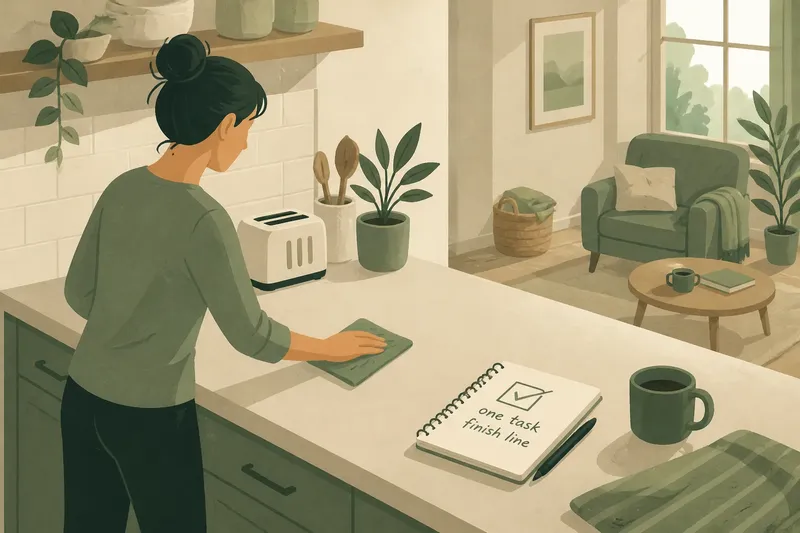
Set Up Monday Morning the Night Before
Set up Monday morning the night before with a brief routine for choosing clothes, packing essentials, and checking your first commitment before bed.

Set up Monday morning the night before, and you can get dressed and leave without hunting for a clean shirt or rereading your calendar. A useful evening routine takes six deliberate checks, then stops. The aim is to prepare for the first stretch of the day, not reorganize the household.
Work through these six items in order. Tie each one to what Monday actually requires, and turn anything uncertain into a clear decision rather than a vague reminder.
1. Check the first commitment before choosing anything else
Open the calendar or the message that confirms Monday’s first commitment. Note its start time, location, and whether it is in person, online, or a departure from home. If someone else is relying on you, check for a changed time or place instead of trusting a half-remembered plan.
This check shapes the rest. A video call may call for a presentable top and headphones; an early appointment across town may mean comfortable layers and a packed bag. Focus on the first commitment and the time you need to be ready for it, not the whole week.
If the commitment is unclear, check the organizer’s latest message or ask the person who can confirm it. Avoid building a detailed morning plan around a guess. If no answer is available, prepare for the most likely version while keeping the uncertain item easy to adjust.
2. Choose clothes for the actual morning
Pick a complete outfit, not just a shirt. Include the items that tend to hold up a departure: pants or a skirt, socks, shoes, a layer for the weather, and any work or activity clothing. If you need a uniform, check that the right pieces are together. Put the outfit somewhere visible and away from the laundry pile.
Let the day’s conditions guide the choice. Check the forecast if rain, cold, or heat could change what you wear. For a workplace with a dress code, choose clothes that fit that setting. If Monday includes exercise or a change of clothes, set those aside too.
Say you have an early in-person meeting and rain is possible. Set out a comfortable work outfit, add a light rain layer, and place your chosen shoes beside it. In the morning, the clothing decision is already made; only the weather-sensitive layer remains to confirm.
Do not spend the evening comparing nearly identical outfits. If the first suitable option is clean, comfortable, and appropriate, choose it. The goal is a ready decision, not a style review.
3. Pack what the first commitment needs
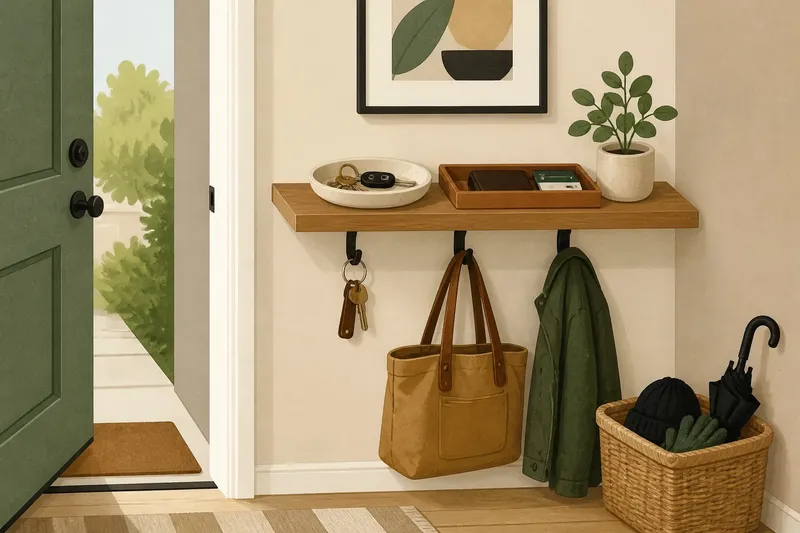
Gather the items that must travel with you and put them in the bag, case, or work tote you will use. Start with essentials tied to the commitment: a laptop and charger for an office day, a notebook for a meeting, or an item you need to return or deliver. Add everyday items such as keys, wallet, transit card, or sunglasses if you normally carry them.
Mentally trace the trip: what do you need to leave home, get there, take part, and come back? That can catch an access card needed at the building or a document you must hand over. It does not mean packing every object that might conceivably be useful.
Keep the packed bag where you will see it on the way out. If a necessary item cannot be packed yet—perhaps your phone or a lunch container belongs in the refrigerator—leave a clear cue where you will encounter it. A note on the bag or a phone reminder beats trusting yourself to remember while rushing.
4. Prepare food only as far as the morning requires
Decide whether you need breakfast, lunch, a snack, or a water bottle before leaving. Make only the parts that will not create extra work: portion a dry snack, set out a clean container, or place a lunch bag beside the packed items. If food must stay cold, leave it in the refrigerator and use a visible reminder to collect it.
For breakfast, set out what suits the meal you already expect to eat. A mug and coffee filter may be enough; a bowl and spoon may be enough. There is no need to assemble a full breakfast station if you plan to eat elsewhere or prefer to decide in the morning.
Follow package or manufacturer guidance for storing and carrying anything that could spoil. The point is to remove a small morning choice, not to leave food sitting out for convenience.
5. Check the route and the departure cue
If you are traveling somewhere, confirm the destination and how you expect to get there. Check transit or navigation information if a disruption, unfamiliar route, or tight connection could change your plan. For a familiar commute, a quick confirmation may be enough; repeatedly refreshing the route when nothing has changed adds little.
Decide what tells you to leave. It might be a calendar time, an alarm, or a routine such as putting on shoes after breakfast. Set only the reminder that helps you act. If you need to leave at a particular time, use a clear alarm label such as “leave for appointment,” not a general prompt that could mean something else.
For a commitment at home, the cue may be different: open the meeting link, turn on the needed device, or move to the room where you will take the call. Check that the required item is available. For a safety-critical or technical problem, follow the appropriate instructions or seek qualified help rather than improvising.
6. Close the routine with one last glance
Look at three things together: the first commitment, the outfit, and the packed essentials. Ask whether they match. If the calendar says “video call” but your bag is packed for a commute, resolve that mismatch now. If the plan has no special requirement, do not invent one to make the checklist feel complete.
Write down one unresolved action if it cannot be settled tonight. “Check the appointment address after the organizer replies” is clearer than “remember Monday.” Keep the note where you will see it, then leave the rest of the evening alone.
Preparing every possible contingency is not worth the effort. You do not need backup outfits for an ordinary day, duplicate chargers, or a minute-by-minute schedule. Prepare the known essentials and leave ordinary choices—such as tea or coffee—to the morning if they do not affect your departure.
What should you prepare the night before?
Should you pack lunch the night before?
Prepare the parts that store safely and suit your morning, such as a container or shelf-stable snack. Keep perishable food chilled, follow its storage directions, and leave yourself a visible cue to collect it.
What if the first commitment is still uncertain?
Check the most recent calendar entry or message, then ask the relevant person if the location or time remains unclear. Prepare items that will be useful either way and keep the uncertain piece easy to change.
How long should the evening routine take?
Keep it brief enough to repeat on an ordinary Sunday night. The routine should settle a few decisions, not expand into laundry, cleaning, or a full review of the week.
What should stay out until morning?
Leave out anything that must remain cold, anything you still need during the evening, and choices that depend on fresh information such as the weather. Use a direct cue for those items instead of relying on memory.
Set up Monday morning the night before by preparing what the first commitment calls for: suitable clothes, the right essentials, and a clear departure cue. Once those pieces are in place, stop. A calm evening is part of the routine too, and Monday will be easier to begin when the plan is ready without taking over the night.